Tripura: 19 cows killed in stray dog attack in Rajnagar, villagers accuse administration of negligence
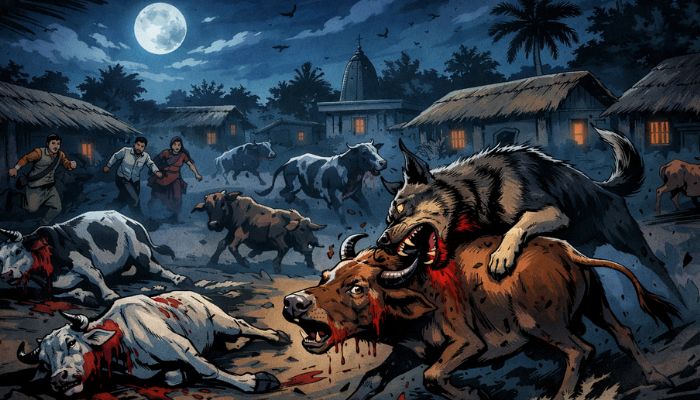
A suspected rabid stray dog killed 19 cows in Rajnagar, North Tripura. (Image: Dall-E)
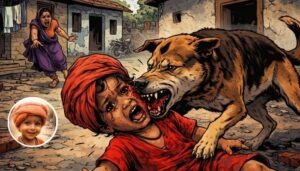
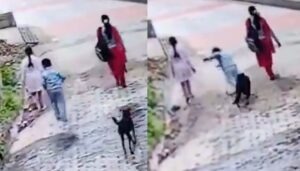
Panic has gripped Rajnagar village under the Yubrajnagar assembly constituency in North Tripura district after a suspected rabid stray dog went on a rampage which left at least 19 cows dead and over 30 cattle severely injured. The incident took place on the night of 12 January, following which things spiralled out of hand and 19 cows died one after another. The farmers have accused the Animal Resources Department (ARD) of negligence and illegal money collection.
Single night attack leaves dozens of cattle injured
According to media reports, the stray dog attacked cattle across two wards of Rajnagar village and bit multiple animals one after another in a single night. The next morning, livestock owners rushed to the nearest veterinary centre seeking urgent assistance.
Speaking to the media, villagers said that the veterinary team visited the area and administered the first dose of the anti-rabies vaccine to each infected animal. They were reportedly instructed to administer the remaining four doses themselves. Residents added that despite the seriousness of the situation, no proper follow-up or monitoring was carried out.
As days passed, cattle began dying one after another. Villagers said that 19 cows have succumbed so far, pushing several farming families into deep financial distress. Some livestock owners were forced to sell their cows at throwaway prices, fearing further losses.
Allegations of illegal money collection
Villagers further accused the officials of collecting between Rs 500 and Rs 600 per family in some cases, and up to Rs 1,200 in others in the name of government veterinary treatment. They claimed that these collections were illegal and unethical, particularly since anti-rabies vaccines are meant to be provided free of cost.
One affected farmer, Gajendra Nath, told the media that they were compelled to administer the vaccines themselves. “Since they were not given properly, the treatment did not work. Had expert care been provided in time, so many cows would not have died,” he stated.
A woman livestock owner said that she was initially asked to pay Rs 1,200 for the treatment of her two cows and eventually paid Rs 1,000. She claimed that the veterinary team left without ensuring proper treatment and that one of her cows later died.
On the other hand, two employees from the veterinary centre and the Animal Resources Department maintained that villagers contributed money voluntarily and that every possible effort was made to save the animals.
MLA questions administration’s response
Reacting sharply, Yubrajnagar MLA Shailendra Chandra Nath criticised the administration’s handling of the matter. He said that when he first received information, only two cows had died. Despite immediately informing the Subdivisional Magistrate, he said that no effective action followed.
The MLA also raised concerns over reports of money being collected from victims and questioned whether expired medicines were used. He further criticised the practice of asking untrained villagers to administer vaccines. He has demanded financial assistance for the affected farmers from the NDRF fund.
Growing anger over stray dog menace
The incident has sparked anger not only in Rajnagar but also in Dharmanagar town and nearby rural areas. Residents have expressed frustration over the unchecked movement of stray dogs and the absence of visible action by the municipal council or any animal rescue organisation.
For many farmers in Rajnagar, the deceased cattle were their sole source of livelihood. Amid fear and uncertainty, they now face both economic hardship and growing anxiety over further stray dog attacks.
Disclaimer: This news report is based on information published by mainstream media outlets. For full context and additional details, readers are advised to refer to the original news reports linked above.
About this project: This website is independently maintained. Its purpose, operation, and disclosures are explained here.